Loft Conversions Guide UK: The Homeowner’s Handbook to Space, Value & Planning
- Sam

- Feb 23
- 5 min read
Updated: Feb 24
Loft conversions are one of the most popular home improvements in the UK. A loft conversion UK project unlocks unused space, adds significant value, and often costs far less than moving house. If you’ve ever searched Google for answers like ‘Do loft conversions add value?’, ‘Do I need planning permission?’, or ‘How much headroom do I need?’, this Loft Conversions Guide pulls everything together in one place.

Can My Loft Be Converted?
The first thing most homeowners want to know is whether their loft is actually suitable. The big deciding factor?
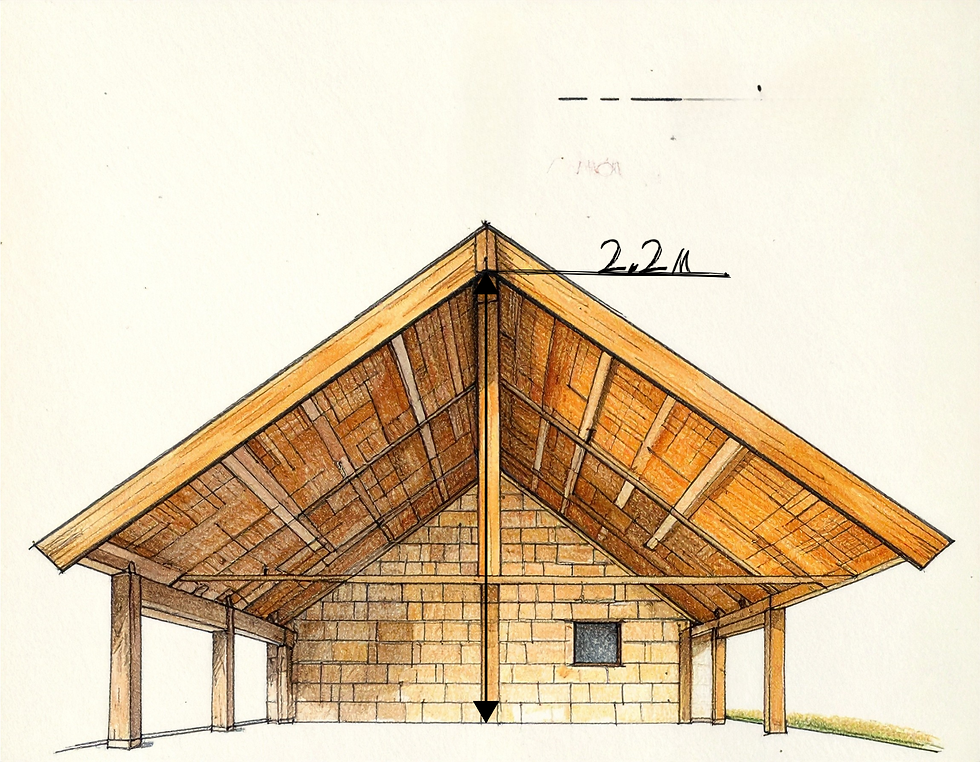
Head height — minimum 2.2 metres
Measured from the top of the ceiling joist to the underside of the ridge beam. If you don’t meet this clearance, the space might still work for storage, but it won’t qualify as a habitable room. Roof pitch, structural integrity, and access all matter too — but head height is the deal breaker.
How Much Headroom Do I Need for Stairs?

A loft conversion isn’t just about the room itself — safe access is essential. Building regulations require a proper staircase, not a ladder, and in order for stairs to work legally and comfortably you must have 2 metres of clear headroom measured along the rake of the stairs. This ensures you can move safely up and down without bumping your head, and it’s a non‑negotiable requirement for building control approval.
How Long Does a Loft Conversion Take?
Timelines vary depending on the type of conversion. A simple Velux (rooflight) conversion can take around 4–6 weeks, while a dormer or Hip-to-Gable conversion may stretch to 8–12 weeks. Adding bathrooms, complex structural changes, or waiting on planning permission can extend the schedule. With good planning and an experienced carpenter, the process can be managed smoothly even if you’re living at home during the build.
Do loft conversions need planning permission?
This is one of the most searched questions. The answer depends on your property and local council. Many loft conversions fall under permitted development rights, meaning you can proceed without full planning approval if the design meets certain size and style rules. However, heritage properties often require planning permission to preserve character. If you live in a terraced or semi‑detached house, you’ll almost always need a Party Wall Agreement because the work affects a shared wall. The safest step is to check with your local council before starting — it saves time, money, and stress.
Do loft conversions add value?
Yes. A well‑planned loft conversion can increase your property’s value by 15–20% in the UK. That’s a serious return on investment, especially if moving isn’t an option due to cost or attachment to your area. A loft conversion doesn’t just add square footage; it creates usable living space, whether that’s a new bedroom, a home office, or a guest suite. Done right, it adds both lifestyle value and financial value.
What type of loft conversion is best?
The right loft conversion depends on your roof shape, budget, and goals. Here are the main options:

Velux (Rooflight) Conversions
Velux rooflight conversions are the simplest and most affordable option. They involve fitting Velux windows directly into the existing roof slope, with minimal structural work needed. Installation is quick, and the result is a bright loft filled with natural light.
Flat‑roof Dormer Conversions
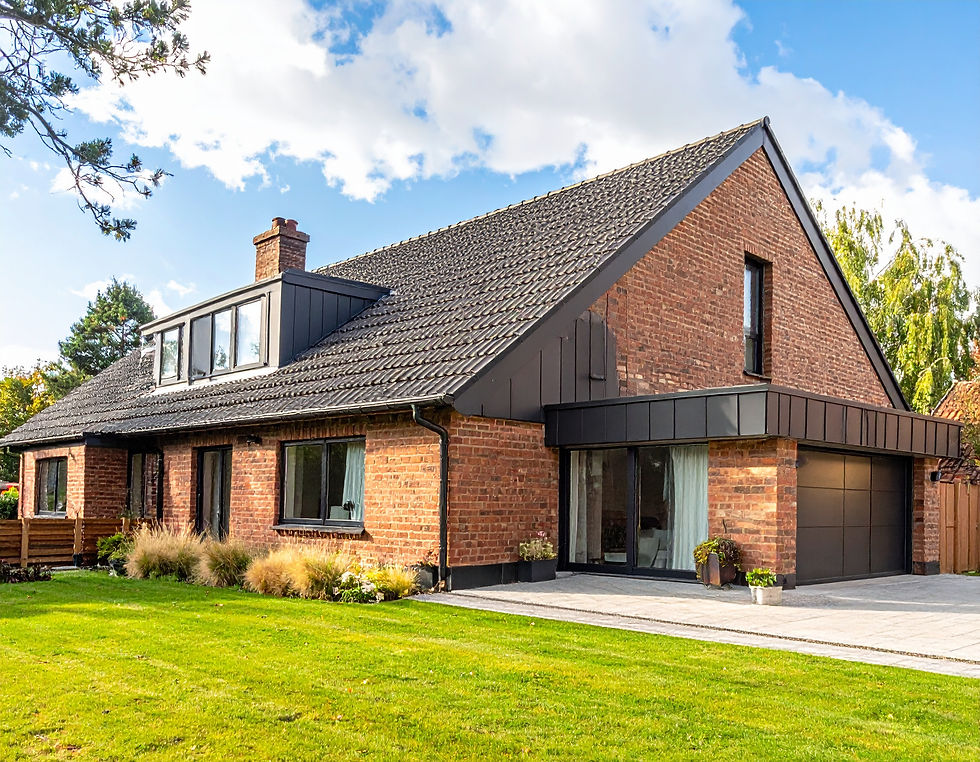
Extend the roof vertically to create a much larger, more usable loft space. Because the walls are upright and the roof is flat, they maximise interior floor area and head height. They can be finished in matching tiles, render, timber cladding, or modern composite cladding so the new structure blends neatly with the rest of the property.

Pitched‑roof dormer Conversions
Offer a more traditional look, with a small pitched roof that integrates naturally into the existing house. They don’t create quite as much internal height as a flat‑roof dormer, but they provide a more classic appearance and can be finished in materials that match the original roof for a seamless result.

Hip-to-Gable Conversions
Extend the sloping side of a hipped roof to create a full vertical gable wall. This adds significant internal space and improves head height, making the loft far more usable. It’s a popular option for semi‑detached and detached homes, giving a more spacious layout while keeping the exterior appearance balanced and in keeping with the property.
Is insulation really that important?
Absolutely — lofts are often the coldest rooms in the house because most roofs have little or no insulation. Without proper insulation, heat escapes quickly, leaving your new loft uncomfortable and driving up your energy bills.
By investing in modern insulation, you’re not just keeping the space warm — you’re also:
Saving money: A well‑insulated loft reduces heat loss, cutting down on heating costs.
Improving comfort: No more draughts or chilly corners; the room feels consistently cosy.
Reducing noise: Acoustic properties help block out external sounds, making your loft a peaceful retreat.
Boosting sustainability: Lower energy use means a smaller carbon footprint.
Adding value: Energy‑efficient homes are more attractive to buyers, increasing property value.
Are Velux windows worth it?
Velux windows aren’t “just holes in the roof.” They’re purpose‑built roof windows designed to bring natural light and ventilation into lofts. Instead of leaving the space dark and stuffy, they transform it into a bright, usable room. With options like double glazing, blackout blinds, and even remote‑controlled opening, Velux windows combine practicality with style. For more ideas and trends, see my other blog: Velux Window Trends for 2026.
How much does a loft conversion cost - (2025 Guide)
Costs vary depending on the type of conversion, the complexity of the work, and where you live in the UK.
Velux / Rooflight Conversion
£25,000–£35,000 - The most affordable option because it doesn’t alter the roof structure.
Dormer Loft Conversion
£40,000–£65,000
Flat‑roof dormer: lower end of the range
Pitched‑roof dormer: higher end due to extra materials and structure
Hip‑to‑Gable Conversion
£45,000–£70,000 - Popular for semi‑detached and detached homes, as it replaces the sloping side with a vertical gable to create more usable space.
UK Average (2025)
Most loft conversions now fall between £50,000 and £90,000, driven by rising material costs and labour shortages.
Regional Loft Conversion Costs (UK 2025)
Scotland: £40,000–£65,000
Wales: £38,000–£60,000
Northern Ireland: £35,000–£55,000
England Midlands: £45,000–£70,000
England East: £48,000–£75,000
England South (incl. London): £55,000–£90,000
The South of England, especially London, is the most expensive due to high demand and labour costs. Northern Ireland remains the most affordable region overall.
The Wrap-Up
Loft conversions aren’t just about adding square footage — they’re about improving comfort, lifestyle, and long‑term value. From meeting head‑height rules to choosing the right insulation and finishes, every detail plays a part in creating a space that feels genuinely liveable. When done properly, a loft conversion can give you the extra room you need, boost your property’s value, and save you the stress (and cost) of moving.
This guide is just the starting point — a friendly nudge in the right direction. Every home is different, every budget is different, and every builder has a different opinion, so always do your own research and get proper advice before diving in.
Got questions, ideas, or a loft‑related crisis brewing? Drop them in the comments — I’m always happy to help.


Comments